SECTION 9 Eco friendly shopping and more
One of the best ways to reduce our effect on the environment is to determine whether we can modify our shopping habits.
As an example, if we just look at planning our meals for the week, our choices may include walking to a nearby shop, driving to one further afield, arranging a home delivery or even eating out.
Another example, if we are considering the purchase of an appliance such as a washing machine, do we buy the one with the lowest energy use or one that is considered the most reliable? Is it better that it is made and produced in the UK? Should we consider a second hand model?
As you may expect, our choices have quite varying impacts on the environment, and if we wish to work out the effect, then to a certain extent we can use what is called a Carbon Footprint Calculator. These can be found online, although if comparing calculators you will find that each will show a different result for exactly the same product. However, they are useful in comparing how we fare compared to other people.
Why not complete the carbon footprint calculator listed below? Mess around with the figures and see what increases or decreases your carbon footprint:
Okay, if you used the calculator, you may now have an idea as to some of the steps that are needed to reduce your carbon footprint and reduce your impact on the environment.
Let’s take a more detailed look into how we can do this.
Part 1 Shopping for Food
♦ Quick and easy food audit
First of all take a look at the food stored in your cupboards and fridge freezer. Now do a quick estimate as how much of it is fresh fruit and vegetables, how much of it is fresh fish and meat, how much is dairy and how much is a convenience food.
If you’re like most people you will only have about a quarter that can be classed as fresh. It is also likely that whatever type of food you have bought, it will be packaged in some way.
Now that we’ve got to know our shopping habits, let’s break it down a little and see what it means from an environmental point of view.
♦ Fresh fruit and vegetables
If our main consideration when buying food was to reduce our effect on the environment, we would just eat fruit and vegetables that were locally grown and in season. However, that is not realistically possible, but the good news is that no matter where and when it is grown, the carbon footprint of most fruit and veg is generally lower compared to fish, meat and dairy.
One reason is that most of our fruit and vegetables are shipped, and storage costs are largely lower compared to many other foods.
We should bear in mind though, that some fruit and vegetables are air-freighted, whilst a lot of unseasonal popular foods are commonly grown in heated greenhouses (or hothouses, as they are often called). This increases the carbon footprint, and with hothouse grown food some people comment on the lack of taste, not forgetting that the nutritional value may be reduced.
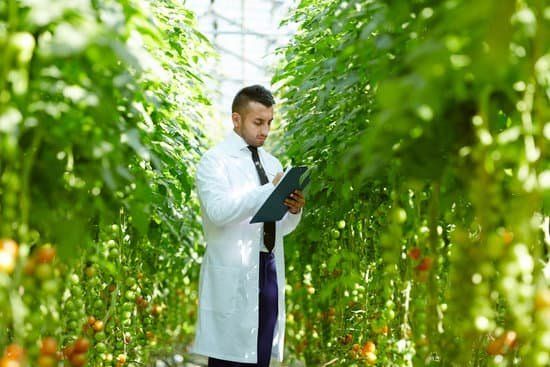
However, as it stands at the moment we have to accept that tastes, budget and time restraints mean we rarely buy the most healthy or environmentally friendly food.
♦ Fresh fish, meat and dairy
Fish:
When looking at the carbon and environmental footprint of fish, it seems there is a tremendous variation due to a number of factors.
For sea fishing it can depend on how it has been caught, the distance travelled to catch the fish and bring it back to the port, the processing of the fish and how far it travels before it ends up on our plate.
We should also consider the effect that overfishing can cause not only to the depletion of fish shoals but also the marine ecosystem dependent on their being sufficient stocks.
For farmed fish, is it sea or inland-farmed, and how has it been farmed? What have the fish been fed on and where has it been sourced from? What kind of welfare standards are in place. In many ways fish farming is comparable to animal farming, but we’re probably even less aware of the farming methods.
When taking a closer look at fish farmed at sea, it is known that parasites and other diseases are common and can spread to wild fish in the general vicinity. It is considered as one reason for their being lower than expected stocks of wild fish found in close proximity to fish farms.
Inland fish farms also have similar issues, and it is said that diseases can spread to other birds and animals and potentially humans.
To expand on the above its worth reading the following articles:
1. Seafood carbon footprint – Russ George
2. Fish farms and the effect on humans and other creatures – National Compass
3. Welfare issues for farmed fish – Compassion in World Farming (CIWF)
Meat:
The average carbon and environmental footprint of meat is much higher than other types of food, primarily because of methane emissions from the livestock, fertiliser emissions from the food grown as fodder and deforestation of land both for fodder and for the livestock to ‘roam’.
Lamb and beef tend to have a higher footprint compared to chickens and pork, although possibly that may be due to the amount of space that is required for rearing and how long they are allowed to live!
Different farming methods also have an effect, and this will be discussed in more detail a little further on in the guide.
Dairy:
There’s quite a variation when comparing the carbon and environmental footprint of dairy products. Cheese, for example, requires about 10 pints of milk to produce a hard cheese like cheddar and has a carbon footprint similar to pork. Eggs can have a carbon footprint a little below chicken, but perhaps more than milk.
As with meat, the different farming methods can have a big effect on the carbon footprint. Buying locally produced dairy products should reduce your carbon footprint.
♦ Nuts, seeds and grains
As a rule, nuts, seeds and grains have a low carbon and environmental footprint similar to fruit and veg. Processing can be minimal, such as taking the shell off a nut or milled as is the case for oats, wheat and barley. Further processing takes place when they are made into cereals such as corn flakes. More concerning is the amount of water required to grow the crop. Rice, for example, requires a lot of water to grow well.

♦ Processed food
Processed packaged food or meals are likely to have a higher carbon footprint compared to the same equivalent prepared with fresh ingredients. More packaging is one reason. Additionally, although the food or meal may have been prepared in the UK, many of the ingredients will have been sourced from around the world.
We should also be mindful that whether processed or fresh, meals that include fruit and veg usually have a lower carbon footprint in comparison to those that include fish, meat and dairy produce.
♦ Packaging
Whatever type of food you buy, there is likely to be some form of packaging. However, when we pop items into our shopping basket or shop online, the negative aspects of packaging are usually ignored or forgotten about.
So when thinking about the food we intend to buy, we should also consider the packaging. If we can do this, then it is much more likely that we will make the right choices from an environmental and carbon footprint point of view.
♦ Food Carbon Footprint Calculator
Before discussing a few more factors that can affect the environmental and carbon footprint, why not check out the BBC article with a food carbon footprint calculator included.
Consider before you Shop
♦ Bags and Containers
Whether shopping locally or further afield, we should try to remember to take sufficient reusable bags or bags for life as they are usually called. Also, if our shopping list includes loose fruit and veg, then rather than use the free bags provided by the shop or supermarket, consider purchasing these award winning lightweight recycled produce bags. They are specially made for fruit and veg and other produce that requires weighing. Some supermarkets also sell produce bags, but they may not have been manufactured quite as sustainably.
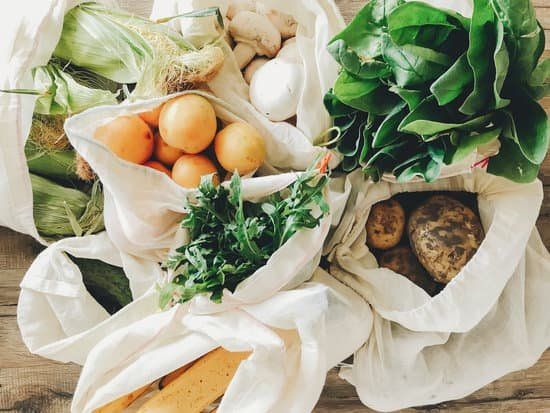
Occasionally you will come across what are called zero waste stores and on offer will be produce such as loose nuts, seeds and cereals and refills of detergents, shampoos and more. The chances are that if you already buy from these types of shops, then you won’t need to be reminded to take the relevant containers.
It’s worth finding out if there is such a store near you. The best way to get the latest up to date information is to just to do a search for “zero waste stores near me”. Many national type websites struggle to maintain up to date details of stores opening and closing.
It should be recognised that even the large supermarkets now allow you to bring in your own containers. Depending on the area you live in and the supermarket you shop at, you may able to fill up your containers with not only fruit and veg but also deli, pasta and cereal produce. Containers for your fish and meat purchases are also encouraged in some supermarkets.
♦ Transport
For the fit and healthy, there are a variety of transport options that may help to reduce your carbon footprint. Sadly though, it can be difficult to change our travel habits. The car owners amongst us may prefer to drive as public transport is often considered unreliable and not convenient. Walking can feel like a pain, especially when our thoughts turn to carrying heavy shopping bags back home!
Let’s consider the different methods of transport:
Walking or Cycling:
Walking or cycling is green, healthy and in the long run may reduce trips to the doctors and hospital. You will make more trips, but it won’t take long to realize that you don’t always need to use your car. If the trip to the shop or supermarket is time consuming, consider buying most of your everyday food locally and have your heavier items delivered to your home.

Public Transport:
Public Transport can be a good option if you intended to make the trip anyway. If using public transport regularly, you do need to know that the price is fair and that reliability and convenience is good. As with walking, carrying the shopping back home can be an effort.
Car Travel:
Car travel to the shops is convenient, but not if you are stuck in traffic and have to pay for parking. Unless it’s absolutely necessary, try to avoid car travel and use the options mentioned above or consider a home delivery.
If your car is mainly used for shopping, then consider if you really need it. Selling your car and joining a car club could be the answer as there’s no initial outlay or ongoing maintenance costs. Co Wheels is one such organisation with a national presence. No doubt there are many others.
In the Shop
♦ Packaging Considerations
Even if you have managed to do a lot of your shopping using your own bags and containers, you still be making purchases with packaging. It pays to look at this in more detail. Is it minimal or excessive? Can it be easily recycled or even composted?
Often you find that the packaging includes cardboard attached to various types of plastics, which may or may not be recyclable depending on your local council’s recycling facilities.
To be fair, some manufacturers are now looking at ways to package food products with compostable materials, but there is some way to go before this type of packaging is widely available – worth looking out for though.
So the advice with any packaged product is to think carefully whether it can be easily recycled or whether a more environmentally friendly alternative is available – this may mean choosing a more expensive product, such as one organically produced.
Back Home
♦ Storage
Although some fruit and many vegetables can be stored for relatively long periods, they can lose some of their flavour and health benefits from being stored too long. To avoid waste, cooking a few meals and freezing them for later can be an option. Pickling and fermenting food is also another option.
Alternative Ways to Shop
♦ Online, phone or by post
Although most of our food is bought relatively locally in a shop or supermarket, we are increasingly starting to look at other ways to shop.
Many supermarkets allow online ordering, with the shopping either being delivered to your home at a time to tie into your lifestyle or collected at the store if that is more convenient. There are also online supermarkets that don’t have a presence in the high street.
Specialist or deli type shops may also offer phone and postal shopping. This is a boon to anyone who has difficulty getting out and about or is not confident using the internet. There are also farm delivery schemes available locally and nationally.
Time saved going through the ordering process rather than making your way to the shops is time that can be used for something more exciting.

Food Produced Outside of the UK
♦ Carbon Footprint
If we decide to investigate the origin of our food purchases, whether it is fresh or a convenience food, we will quickly determine that a considerable quantity originates from around the globe. This is not necessarily a problem if it comes by boat, but if air freighted the carbon footprint is much higher.
Unfortunately, food labelling doesn’t inform us of the carbon footprint or the method of transport. We should assume that low priced fruit and veg supplied throughout the year is likely to have come by lorry from Europe or been shipped. Examples include tomatoes, potatoes and bananas.
For want of no carbon footprint figures or knowledge of transport methods, then for food produced outside of the UK, try to buy organic or Fairtrade labelled food. It is likely to be more expensive but should be more environmentally friendly and ethically produced.
♦ Water Footprint
We also should be mindful of the water footprint of the food we buy. This is how much it takes to grow and produce the food that is not only eaten by ourselves but also for crops grown for livestock feed. Fruit and veg compared to meat and dairy usually have the lower water footprint.
In many regions food is grown just largely for our benefit and uses water from various sources such as lakes, reservoirs, rivers or groundwater.
This causes problems if more water is taken than can be naturally replenished. From the importers point of view, if there is a water shortage or any other problem with a crop, they will quickly look to source their produce from elsewhere. The farmers and local inhabitants who need the water for drinking and growing food for their own basic needs are left to suffer the consequences.
In regions that have suffered water shortages or that are naturally dry, desalination plants have sprung up. The water produced from a desalination plant is quite energy intensive and this increases the carbon footprint of any produce produced using this method. Desalination waste contains excessively salty brine and this is usually dumped back into the sea, causing problems to much of the wildlife there.
Unfortunately, water print labels are virtually non-existent. Without taking time to carry out our own research, then we have to put our trust in the people who bring the food to our table. Buying organically or other ethically labelled produce is likely to be the best option.
A Few Farming Methods
So far we’ve mentioned packaged and fresh food, storage, growing your own, methods of transport plus carbon and water footprints. It makes us realize that when making our purchases, there’s so much to consider and you can understand why many people wonder whether it’s worth the effort to buy food that has a minimal environmental impact on the planet. It is also likely to cost more.
To add to your decision making process, it may be useful to know how your food is grown and the differences between intensive, sustainable and organic farming.
♦ Intensive farming
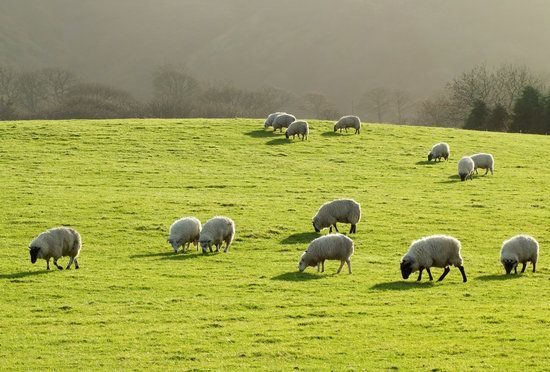
Intensive crop farming aims for the maximum yield and profit, at the lowest cost.
Synthetic or manmade chemical fertilisers, pesticides, herbicides are used with little thought given to the long term health of the soil. Neither is much thought given to the natural habitat, the local wildlife and the wider environment such as the run off of chemicals into streams, rivers and the sea. The farmland is given little opportunity to recover before the next planting season begins.
Intensive animal farming is similar in that as many animals as possible are raised in the smallest amount of space that the law allows. Aside from any minimum standards in place, little thought is given to the welfare of the animals. Poultry, pigs and cattle are often reared inside factory type barns and do not see the light of day. Drugs and antibiotics are routinely fed to the farmed animals, even if they are not ill!
The big advantage to intensive farming is that prices are usually cheaper than organic or sustainably grown food, whilst also being extensively available in our local stores.
♦ Sustainable farming
Sustainable farming aims for a more holistic approach to all aspects of farm methods, including crop health and soil fertility, pollution control and animal welfare. The yield per acre is likely to be lower than intensive farming in the short to medium term. Costs are usually higher and currently it’s difficult to source sustainably produced food in the UK.
Quality marks to consider include the LEAF Marque covering crops and meat production, whilst the Pasture for Life scheme and the RSPCA Assured scheme covers meat production. Free range labels can also be a useful indicator. Fish are perhaps best covered by the widely known Marine Stewardship Council’s blue MSC label. However, as people have different opinions of how useful labels are, it is best to research the pros and cons yourself.
As more shoppers look to purchase food produced by farming methods that care more for the environment, the use of sustainable farm labelling schemes should help.
♦ Organic farming
Organic Farming is currently underpinned by EU law, and although there are several organic control bodies in the UK, the most well-known is the SOIL Association. It’s only through being certified by one of the approved control bodies that you can sell food labelled as organic.
Organic farming is similar in many areas to sustainable farming, with the emphasis being the protection and enhancement of the soil, wildlife and environment. Chemical derived fertilisers and synthetic pesticides are not allowed, whilst the routine use of antibiotics are banned. The strict criteria and measures to ensure that produce is organic can be expensive, time consuming and daunting to farmers who desire to become organic farmers.
As Organic Farming is independently tested, you have the assurance that any produce purchased by you (compared to most other types of farming) has been farmed in a manner that is better for nature, better for the environment and better for the planet.
♦ Another consideration
Grow your own:
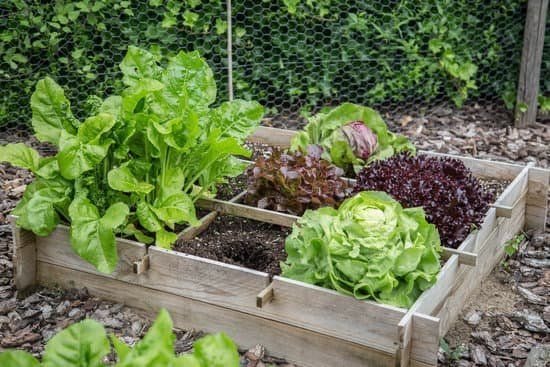
If you have the time and space, consider growing some of your own fruit and vegetables. It should save money, reduce your food miles* and cut down your carbon footprint.
Better still is to grow your own fruit and vegetables using locally sourced or homemade compost.
*Food miles is a term used when measuring the distanced travelled from where the crop was grown or produced, to the place where it reaches the consumer. When calculating the environmental impact, the distance travelled and type and quantity of fuel used would be taken into account.
Final Thoughts on Food
There are so many decisions to make, but at the very least we should aim to reduce the amount of food that is wasted. Many people and lots of environmental resources go into producing the food that ends up on our plate. People go hungry, not only on the far side of the world but also much closer to home. Taking a little care with your purchases and donating help or savings to appropriate organisations will go a long way to support those most in need.
We might also check out how and where our food is produced. How much packaging is there? How does being a meat eater, vegetarian or vegan affect the environment?
There’s a lot to think about, but as we said earlier, reducing the amount of food we waste will be our best contribution to the environment and will likely save us some money too. That’s got to be a good thing.
Part 2 Our Other Purchases
Although food purchases play a substantial part in our environmental and carbon footprint totals, other purchases such as appliances, clothing, cleaning and maintenance products can make more of an impact. Let’s now take a closer look at some of our other purchases:
♦ Appliances
Ratings:
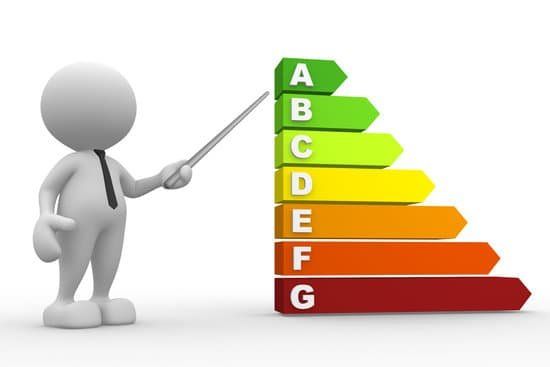
First we need to note down the energy rating of the larger appliances. As from March 2021 energy ratings were revised and now range from A to G (replacing the old ratings of A+++ to G), with A now being the most energy efficient. It’s this rating that you should use when the time comes to replace a particular appliance. If however your old appliance is working fine, then keep it. There is a high environmental cost in the manufacture of a new appliance, especially the larger ones manufactured abroad and transported over long distances.
Reliability:
Reliability is worth a lot. After all a very efficient appliance is of no use if it breaks down within a few years. It’s worthwhile researching reliability reviews for both large and small appliances before making a purchase. Online reviews are useful, but be careful of false reviews.
‘Which’ magazine carries out independent research on many products and online reviews are available online, albeit at a cost. It may be worthwhile subscribing for a month’s trial at a cost of £5, but don’t forget to cancel the service if you want to avoid paying for a full year.
If an appliance is broken, don’t immediately look to replace it. Check out whether repairing the appliance is a viable option. For small appliances, find out whether there is a community repair shop in your area. They may only open a couple of times a month or perhaps even less, and although there is no guarantee that a fix is possible, assistance is given to help you repair your item.
The rethinking poverty blog gives an outline of what a community repair shop is and also supplies the names of a few that are located in Greater Manchester.
Size and Capacity:
Consideration should also be given as to whether the size of the appliance is appropriate to your needs. So, for example, have a quick look in your fridge freezer. If it’s relatively empty, you need to think about whether that is usual. Sometimes we buy appliances that are too large for our average needs. A smaller fridge freezer will use less energy than a larger one with the same energy rating. Also fridge freezers work at their most efficient when they are about three quarters full.
Another example: If buying a toaster, is it the most suitable for your needs? For example, if you usually only toast one slice at a time, consider a one slice toaster.
Other considerations:
Note that smaller appliances such as kettles and toasters are unlikely to have energy ratings. So if looking to make a purchase, it is necessary to consider different aspects of saving energy.
For example, when buying a kettle, does it have a see-through gauge to check that you’ve not over filled it? If you have an induction hob, consider a hob kettle as it has no elements and in theory should last for a very long time.
♦ Clothing and related accessories
Depending on which articles you read, the carbon footprint of clothing related purchases range from a couple of percent to over 10% of the average person’s annual total. There are also other concerns connected with the whole lifecycle of our clothing related purchases. Investigating the lifecycle of a piece of clothing may help us make a more informed choice if we are considering a purchase.
Before we do this, we’d like to recommend getting a copy of Ethical Consumer magazine’s Issue No 180 (Sep/Oct 2019). It covers virtually every aspect of the clothing industry and gives lots of options on how and where to shop for more environmentally friendly clothes and accessories.
Note: Although it is possible to find and read many of Ethical Consumer guides for free, we would encourage subscribing to the magazine as this will help them to carry out more important research.
Production and processing stage:
Here we can split production and processing into natural fibres, synthetic fibres and animal fabrics:
● Natural fibres are nature-based and can be sourced from not only plants, bushes and trees but also animals* including birds and even fish! As buyers of natural fibre clothing, shoes and related accessories we tend to shop for garments made from cotton, wool, linen, silk and leather. Bamboo and hemp garments are also now becoming more popular, and this is in part because of their quick growth and their comparatively low water and pesticide requirements.
● At the production stage, clothing produced from natural fibres will have a lower carbon footprint per kg compared with clothing produced from synthetic fibres. Our main environmental concerns are perhaps the large amount of land used and the amount of water and pesticide requirements.
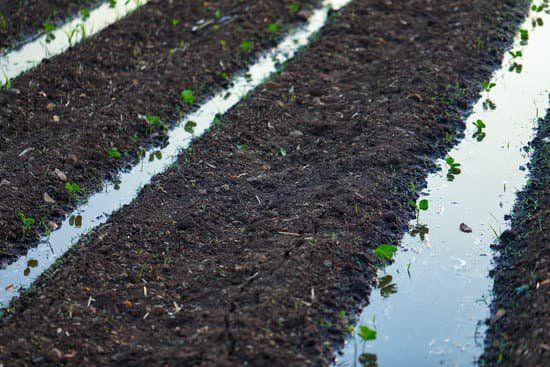
Processing natural fibres often includes the use of chemicals and dyes that often find their way back into the environment via untreated wastewater. This causes not only pollution issues but also damage to all life.
Buy organic clothing if you don’t have the time to research the most environmentally friendly clothing for your needs.
*Animal fabrics can include wool, silk, fur, aquatic skins, leather or down. On the whole we know less about the conditions of animals farmed solely to make clothes and accessories than that for animals farmed for food. General labelling schemes are non-existent and you also need to take into account the toxins used in the processing that make their way into the environment.
This is one area where you have to do your own research before making a purchase. The PETA (People for the ethical treatment of animals) organisation has a website that is worth a good look if you are concerned about the relationship between animal welfare and clothing.
● Synthetic fibres are mainly produced from non-renewable energy sources such as oil and coal, however there are also what some term as semi synthetic and these can be derived from plants, trees and minerals. Production for most synthetic fibres is energy and chemically intensive.
As with natural fibres, the use of dyes can be a problem to the environment. It is the case though that the modern technology used by some companies can deal with dyes in a much more environmentally friendly way.
Clothing is also often treated with chemicals in order to ‘improve’ them. Examples include waterproof jackets or non-iron shirts. Under certain conditions these chemicals can be inhaled or absorbed through the skin and can cause mild or sometimes serious sickness to some people. Check out the Total Health Magazine article about toxins in your clothing.
When looking at post production, the big concern is that synthetic clothing fibres are likely to find their way into the environment. Washing or wearing fibres releases them into the water and the air. Ultimately this means that humans and other animal or aquatic life will one way or the other consumes some of these fibres.
The plus side to clothing manufactured from synthetic fibres compared to natural fibres is that they can be lighter and harder wearing. If therefore comparing for example, one item of clothing such as a pair of nylon trousers’ with a pair of cotton trousers’, the carbon footprint for the nylon trousers may turn out to be lower over its lifetime.
Working Conditions:
The clothing industry seems to be one area where workers work in the most appalling conditions for very little pay. Many will consider that working conditions shouldn’t fall under the remit of an eco- audit; however, you tend to find that the better the pay and conditions are for the workforce, the more consideration is likely to be given to the environmental aspects of producing a particular clothing line.
Without your own research, buying Items labelled as organic or Fairtrade is the easy way of knowing that the workers have acceptable pay and working conditions.
Buying Clothes and accessories plus some related information:
The average consumer buys 60% more clothing than 15 years ago, whilst less than 1% of the material used to produce garments is recycled into new clothing – Ethical Consumer Magazine, Issue 180 Sep/Oct 2019
Peer pressure can make many of us feel the need to buy the latest fashions and it can become addictive. Often, the cost is deferred by using credit, and our purchases are only used a few times before ending up in the back of the wardrobe.
Let’s consider a few alternatives to buying new:
● Seek out specialised stores dealing with the sale or hire of top branded second hand clothing and accessories. These stores can usually be found in cities or large towns. If not, then online shopping is an option, but size issues can be a problem.
● If looking to buy what are perhaps classed as casual clothing or gear for a hobby, then shopping in charity stores such as Oxfam or other more specialised stores shouldn’t cause too much of a problem. Even in small towns availability is not usually a problem and amongst the many online possibilities, ‘Preloved’ is one website that offers a filter to buy or sell clothes (and other items) within an area as close as 5 miles from your home.
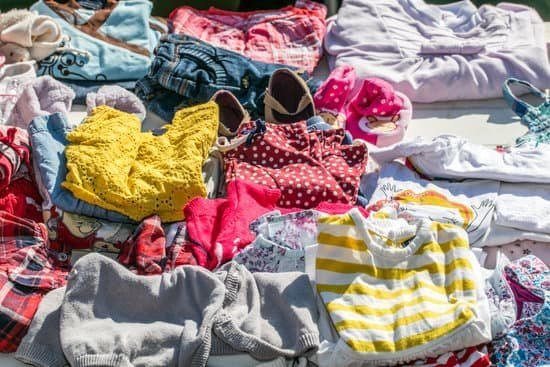
● One idea that is becoming more popular is to hold a local event where clothes are swapped. You can search out events near you or perhaps arrange one yourself? You may want to check out the getswishing website which has a really good guide on how to organise an event in your area. We’ve not given a link to the website as it is not encrypted and therefore not totally secure.
You can also ‘swap’ your clothes through an online store, and the swopped website has a way of doing this with its innovative credit scheme.
● Small sewing jobs can be done at home, or for those of us without the skills there are a fair number of small businesses dotted around the UK that offer sewing repairs and clothing alterations. As for shoe and boot repairs, your local cobblers should be able to help.
Buying new may be the only option for many of us, and timeless fashion items should be considered as we are less likely to discard them after only one or two uses. However, regardless of whether our intended purchase is for fashion, casual or work purposes, we should make an effort to find out how it has been made.
In an ideal world our shoes, clothing and accessories would be manufactured locally using environmentally and ethically sourced materials. We would hope that at the end of their useful life, our items would be easily recycled or upcycled.
Unfortunately as it currently stands, if we wish to be environmentally and ethically minded, the majority of purchases require difficult choices with little information to go on. We just have to do our best.
Finally remember, if a new item of clothing or pair of shoes seems cheap, consider the reasons why that may be.
♦ Household Cleaning and General Maintenance Purchases
Washing powders and detergents:
We’ve already touched upon the fact that clothing can contain toxins that can be released into the environment. It would be therefore be a shame to buy clothing that is better for us and the environment but continue to use washing powders and detergents that contain damaging chemicals.
These chemicals are gradually released into your room as your washing dries. So that lovely natural scent you can smell as your laundry dries is likely to affect those with sensitive skin or who have weakened respiratory systems.
Everyday cleaning products:
Of course it’s not only washing powders and detergents that release toxins. Everyday products used for cleaning baths, showers, floors and worktops and polishing furniture also contain toxins; as do personal cleaning and beautifying products.
There are however, many eco-friendly alternative products that are better for us and also the environment. An understanding of the various environmental labels found on product packaging is useful before making a purchase. Consider using the ‘ethicalsuperstores’ “good guides” as a starting point. An explanation is given to the ethical credentials of the various labels that are shown under each product that they sell.
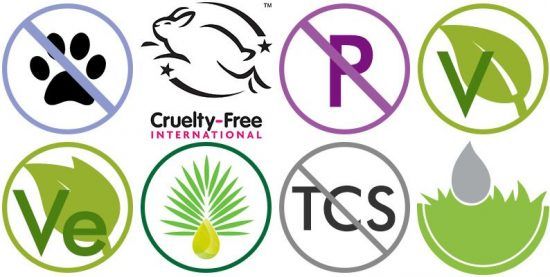
Note: Although a clear explanation is given as to what each label means, it’s as well to recognise that some labels are one’s designated by the store itself and won’t necessarily be shown on the product you wish to purchase.
Despite the limitations of the “good-guides” we can see that labels are a useful way of deciding which products to buy. However, when we’re out shopping, it’s not always possible to remember what the labels stand for. In these instances we should read the product description carefully and look to buy plant based products as these are usually the more environmentally friendly option compared to synthetic or petrochemical based alternatives.
You should be concerned if a label mentions danger or caution and recommends protection for hands and eyes or other parts of the body.
Note however, that even natural and organic products may still cause a reaction with some people.
Priority lists:
Assuming that you can’t afford to replace everything at once, then it might be an idea to make some kind of priority list. How to make a list is difficult and can depend on your situation, but perhaps as a starting point, try to think of the occasions you have some kind of allergic reaction. For example, if you are drying the washing inside your home, do you sneeze more?
Alternatively concentrate on a particular room or area. For example, the cupboard under your kitchen sink is likely to be home to washing powders, fabric conditioners, floor cleaners, disinfectants, window sprays, oven cleaners, disposable dusters and lots of other stuff. All of which has an alternative that is better for you and kinder to the environment.
Even with your priority list, you will probably find it difficult to alter your shopping habits. On the plus side, many everyday items can be bought at not too much of an additional extra cost compared to your usual shop. Changes are probably best done gradually and perhaps as and when savings have been made elsewhere.
♦ Furniture
We’ve mentioned that buying second hand furniture can be a good option. Charity shops and online sites, such as ‘Freecycle’, ‘Freegle’ and ‘Preloved’, all offer furniture at very reasonable prices. And sometimes at no cost apart from perhaps having to pay for transport.
Other options include upcycled furniture made from existing pieces of furniture or reclaimed wood. Prices can be high, but the environmental footprint of such furniture is likely to be low compared to new furniture produced from commercially felled trees and other newly manufactured materials.
However, we have to recognise the fact that new furniture is required from time to time. In such instances we should look for labels that demonstrate the product has been manufactured using materials from a sustainable source.
For furniture made purely from wood, certification is available, and the logos used by the manufacturers can be researched online if we are unsure as to what they mean. The main global certification bodies are the FSC (Forest Stewardship Council) and PEFC (Programme for the Endorsement of Forest Certification).
There is also the not for profit Grown in Britain Certification scheme set up to support the sustainable management of UK timber.
Note: Not all furniture is manufactured from 100% wood and is sometimes made from other materials such as recycled plastic. Check out the Blue Patch Directory for details of how to find British produced sustainable furniture and lots of other products.
A Few Final Thoughts
The biggest difficulty is when and how to source and substitute products you like, with ones that are eco- friendly. Preferably we would buy locally, but often this is not possible, and it is only natural to resent paying carriage charges if you have made the effort to buy eco-friendly products online or by mail order. This is especially so, if your order is only for a couple of items. As we all know, delivery can sometimes be a problem.
Nevertheless, it’s worth making the effort.